How to Leverage Programmatic AI SEO for Scalable Content Growth
12 February 2025
How to Leverage Programmatic AI SEO for Scalable Content Growth
In today’s digital landscape, SEO is more competitive than ever. Many businesses struggle to keep up with high-quality content demands while maintaining search visibility. The traditional approach—writing articles manually, one by one—is time-consuming and inefficient. This is where Programmatic AI SEO comes into play.
By leveraging automation, businesses can generate hundreds or even thousands of optimized pages targeting long-tail keyword variations at scale. In this article, we’ll explore the Programmatic AI SEO Workflow and how you can implement it to skyrocket your organic traffic.
What is Programmatic AI SEO?
Programmatic AI SEO is a method of automating content creation by using structured templates, AI-driven writing, and datasets to generate pages efficiently. Unlike traditional SEO, where each page is crafted manually, programmatic SEO allows you to produce thousands of content pieces rapidly, targeting niche keyword variations.
Why should you care?
Scalability: Generate content at an unprecedented speed.
Efficiency: Automate repetitive writing tasks and reduce manual effort.
SEO Growth: Dominate search results with targeted long-tail keywords.
Step-by-Step Guide to Programmatic AI SEO
To successfully implement programmatic SEO, follow these six steps:
1. Choose a Programmatic SEO Platform
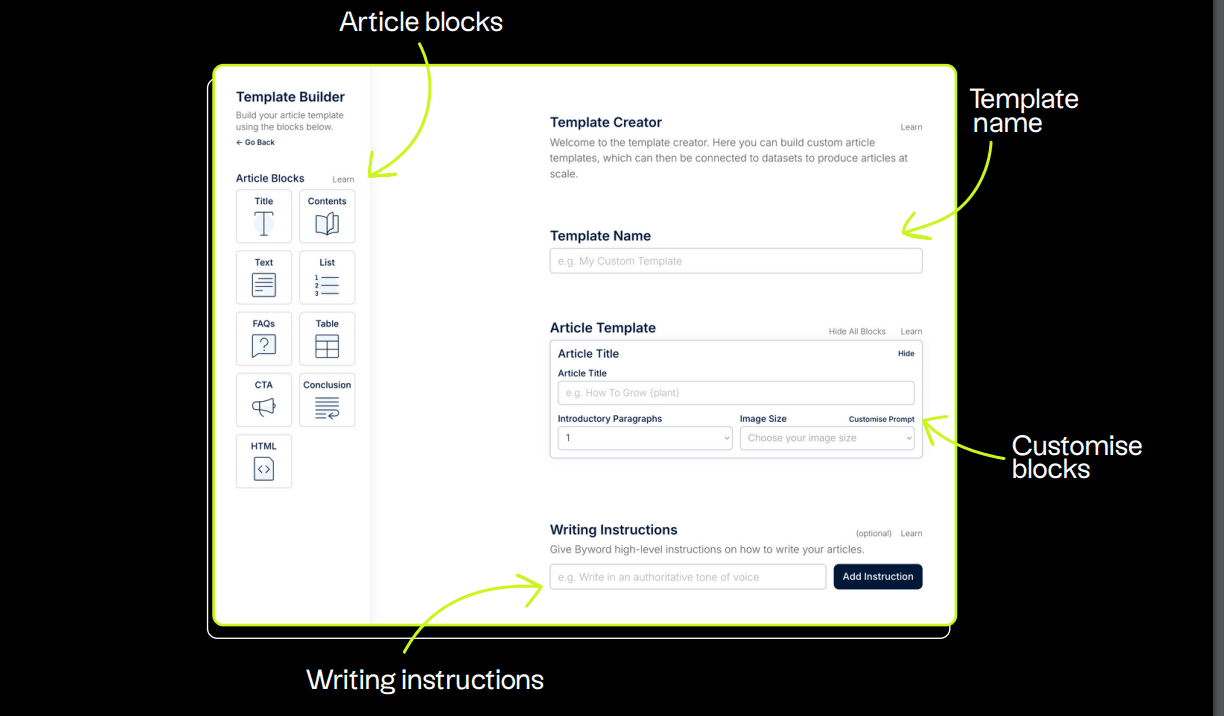
The first step is selecting a tool that enables programmatic content creation. One such platform is Byword.AI, which allows you to generate AI-driven articles using customizable templates.
Dynamic data blocks (automatically pulling relevant content)
Custom writing instructions (tailored to your niche)
💡 Example: If you’re creating travel guides, your template might include:
Destination overview
Best attractions
Local food recommendations
Travel tips
By setting up a structured template, you ensure consistency and efficiency across hundreds of articles.
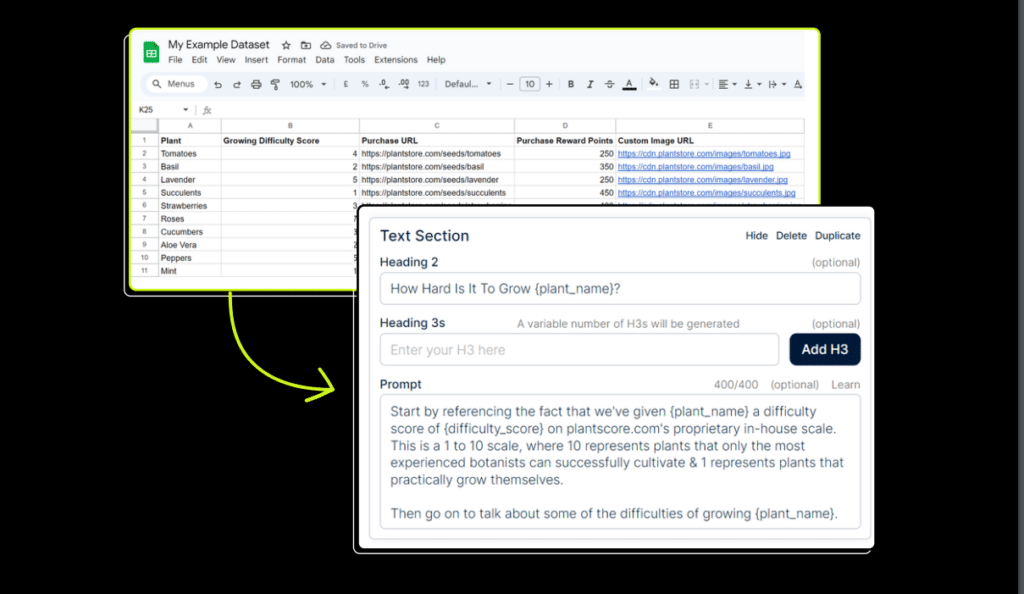
3. Build Your Dataset
Your dataset powers your programmatic SEO strategy. It should include:
Keywords and their variations
Relevant data sources (e.g., product details, locations, statistics)
Supporting information (quotes, reviews, customer testimonials)
This dataset acts as the content fuel, ensuring that your generated articles remain accurate and valuable to readers.
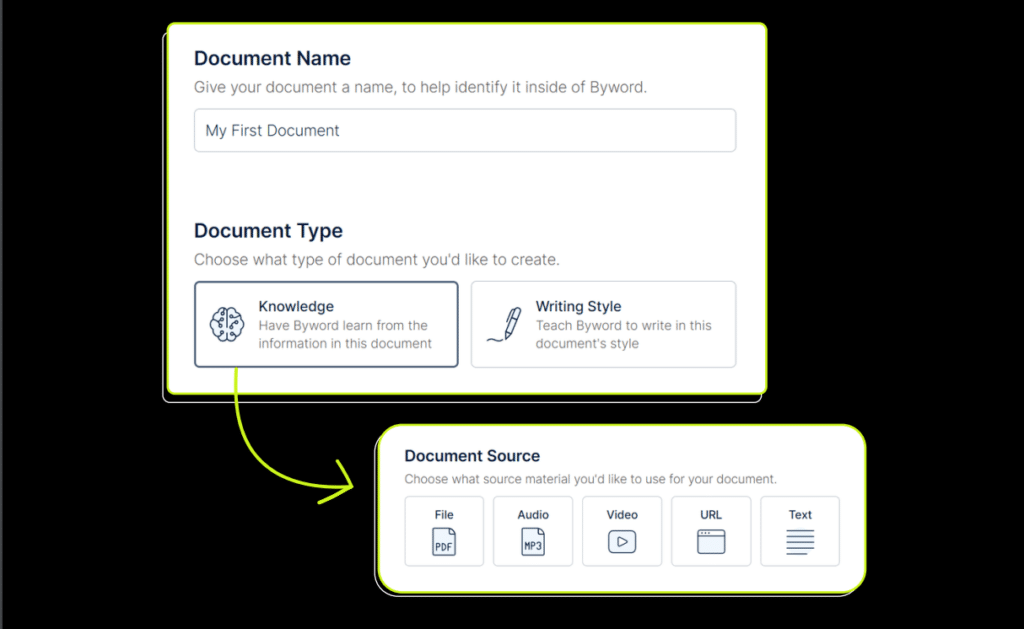
4. Enrich Articles with Additional Documents
To further enhance content quality, add external documents that provide:
Industry reports
Case studies
User-generated content
Expert insights
Adding supplemental content ensures that your articles are authoritative and informative, improving their SEO performance.
5. Generate Pages Automatically
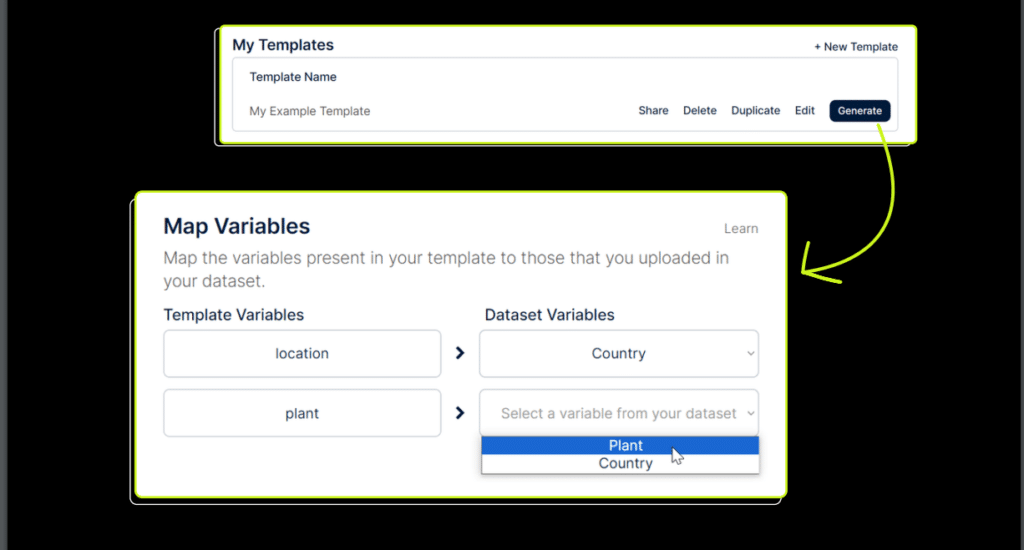
Once you’ve set up the template and dataset, you can automatically generate pages using an AI-powered content creation tool. This step involves:
Mapping your dataset to the template
Filling in the dynamic content blocks
Generating SEO-optimized pages in bulk
💡 Pro Tip: Run an SEO audit on the generated content to ensure quality and relevance before publishing.
6. Publish Content to Your Website
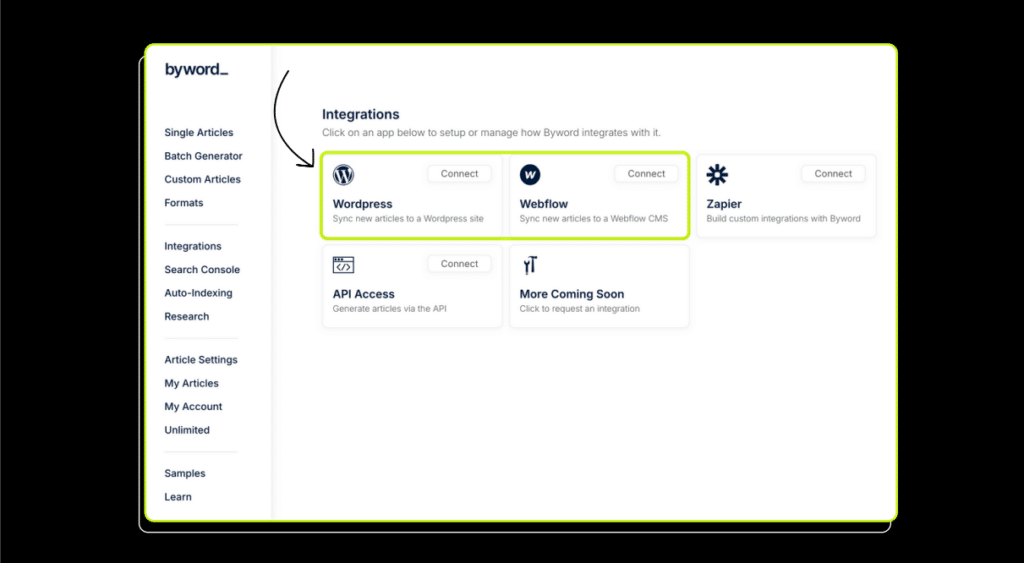
The final step is publishing your AI-generated content directly to your Content Management System (CMS). Many tools allow automatic CMS integration, reducing manual work.
✅ CMS Integration Options:
WordPress
Webflow
Shopify
Custom CMS
Once published, monitor your SEO rankings, traffic performance, and engagement to refine and optimize the content strategy.
The Future of Programmatic SEO
AI-powered programmatic SEO is revolutionizing content marketing. Businesses that embrace automation gain a competitive edge by dominating search results with hyper-targeted, scalable content.
🚀 Key Takeaways:
Programmatic SEO automates large-scale content production.
Using templates and datasets allows for rapid content generation.
AI-powered platforms like Byword.AI make implementation seamless.
Regularly optimize and refine your content for maximum SEO impact.
Final Thoughts: The Future of SEO is Programmatic AI
The landscape of SEO is evolving rapidly, and Programmatic AI SEO is at the forefront of this transformation. Traditional content creation methods, while effective, can’t keep up with the demand for scale, speed, and precision required to dominate search rankings.
By leveraging AI-driven automation, structured templates, and dynamic datasets, businesses can generate high-quality, keyword-rich content at scale, driving consistent organic traffic and long-term growth.
If you’re still relying on manual SEO strategies, now is the time to embrace programmatic automation. Whether you’re looking to expand your blog, eCommerce store, or affiliate website, AI-powered programmatic SEO provides a competitive edge that can skyrocket your success.
🚀 Take the next step—start automating, start scaling, and start winning in SEO today!
FAQ: Programmatic AI SEO – Answers to Rank in ‘People Also Ask’
1. What is Programmatic AI SEO?
Programmatic AI SEO is an automated approach to content creation that uses structured templates, AI-powered writing, and datasets to generate SEO-optimized pages at scale. It helps websites rank for thousands of long-tail keywords with minimal manual effort.
2. How does programmatic SEO improve search rankings?
Programmatic SEO enhances rankings by targeting highly specific, low-competition keywords in bulk. It ensures content consistency, relevance, and scalability, making it easier for search engines to recognize and rank pages for niche queries.
3. What types of websites benefit from programmatic SEO?
Programmatic SEO is ideal for:
E-commerce sites (automated product descriptions)
Affiliate websites (mass content generation for product comparisons)
Local business directories (automated city/service pages)
Travel websites (destination-based content at scale)
4. Is AI-generated content penalized by Google?
No, Google does not penalize AI-generated content as long as it is helpful, high-quality, and user-focused. The key is to ensure that AI-generated content provides value, factual accuracy, and originality rather than spammy, low-quality text.
5. Can I use programmatic SEO for local SEO?
Yes! Programmatic SEO is highly effective for local SEO, enabling businesses to create geo-specific landing pages at scale (e.g., “[Service] in [City]” pages). This helps improve local search rankings and drive targeted traffic.
I’m Devyansh Tripathi, an SEO strategist and digital growth expert, helps businesses and individuals rank higher and drive organic traffic. Through DevTripathi., he shares cutting-edge SEO insights, content strategies, and marketing hacks. Passionate about digital success, he’s on a mission to make SEO simple, effective, and result-driven!


![FAQ: Programmatic AI SEO – Answers to Rank in ‘People Also Ask’ 1. What is Programmatic AI SEO? Programmatic AI SEO is an automated approach to content creation that uses structured templates, AI-powered writing, and datasets to generate SEO-optimized pages at scale. It helps websites rank for thousands of long-tail keywords with minimal manual effort. 2. How does programmatic SEO improve search rankings? Programmatic SEO enhances rankings by targeting highly specific, low-competition keywords in bulk. It ensures content consistency, relevance, and scalability, making it easier for search engines to recognize and rank pages for niche queries. 3. What types of websites benefit from programmatic SEO? Programmatic SEO is ideal for: E-commerce sites (automated product descriptions) Affiliate websites (mass content generation for product comparisons) Local business directories (automated city/service pages) Travel websites (destination-based content at scale) 4. Is AI-generated content penalized by Google? No, Google does not penalize AI-generated content as long as it is helpful, high-quality, and user-focused. The key is to ensure that AI-generated content provides value, factual accuracy, and originality rather than spammy, low-quality text. 5. How do I start with programmatic SEO? To implement programmatic SEO: Choose an AI-powered platform (e.g., Byword.AI). Create structured templates with dynamic content blocks. Build a dataset to populate articles with unique information. Automate page generation using AI tools. Optimize and publish content to your CMS. 6. What tools are best for programmatic SEO? Some popular tools for programmatic SEO include: Byword.AI (AI-generated articles) WordPress + custom scripts (for bulk publishing) Google Sheets + API integrations (data-driven content generation) ChatGPT & GPT-based tools (for AI-powered writing) 7. Can I use programmatic SEO for local SEO? Yes! Programmatic SEO is highly effective for local SEO, enabling businesses to create geo-specific landing pages at scale (e.g., “[Service] in [City]” pages). This helps improve local search rankings and drive targeted traffic.](https://devtripathi.in/wp-content/uploads/2025/02/Screenshot-2025-02-12-095505.png)